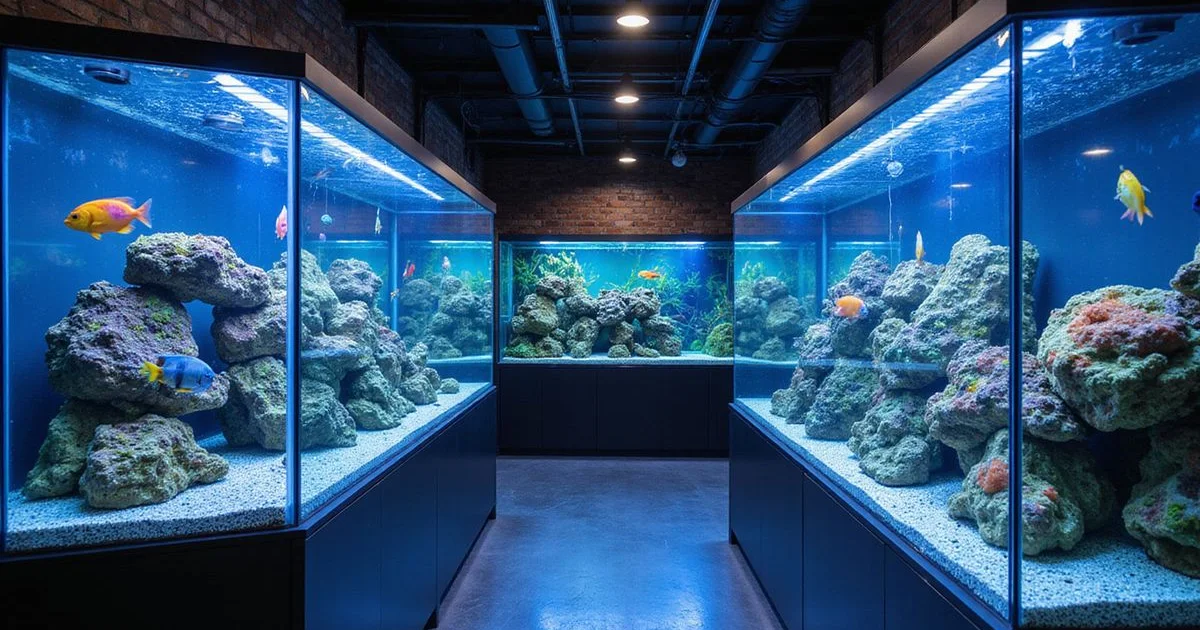
African & South American Cichlids in Sarasota
African and South American cichlids with aggression and chemistry guidance for the keeper.
From $8 – $80 per fish
4.9★
120+ Google reviews
25+
Years experience
2-week
Quarantine on all fish
Free
Water testing in-store
We know that cichlid keepers face unique challenges with aggression management and highly specific water chemistry.
Keeping these stunning fish is a completely different game from managing a peaceful community aquarium. Have you ever stared at a tank full of brightly colored fish and wondered why they cannot just get along?
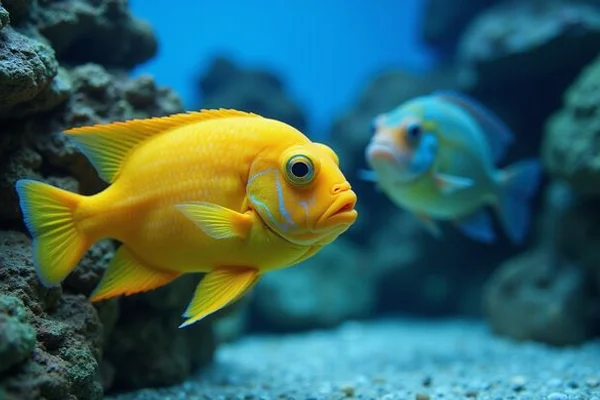
Our shop stocks an extensive selection of African cichlids, including Mbuna, peacocks, and haps, alongside South American favorites like angelfish, oscars, geophagus, and apistos. Crushed coral substrate and buffering matter more for this group than almost any other freshwater family.
The secret to success is setting up the right pH range and tank environment before you bring a single fish home.
We will walk you through all the critical chemistry differences before you buy anything. Our African cichlid water chemistry guide covers the pH and buffering targets you need. You will learn the exact steps to create a thriving environment and prevent territorial disasters.
Grab a cup of coffee, and let us go through the setup process together.
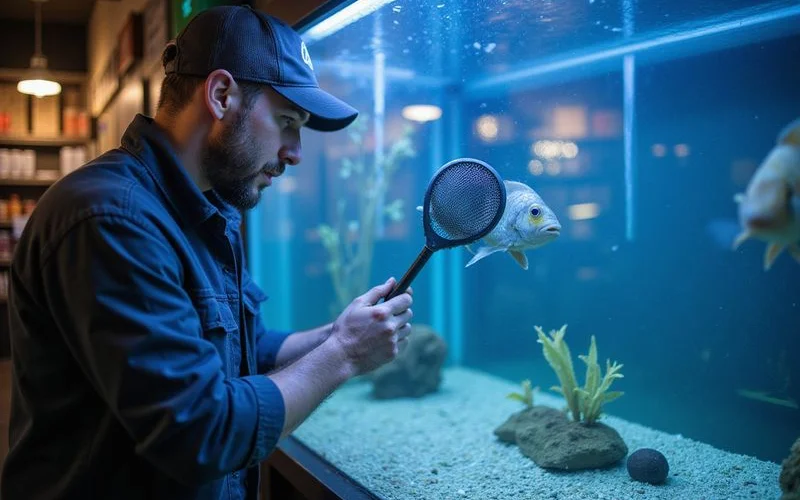
What we stock
Our inventory is carefully curated to offer the healthiest fish and all the specialized supplies you need.
Most beginners do not realize that mixing African and South American species is a recipe for disaster. African Lake Malawi species thrive in hard water with a pH between 7.8 and 8.4, while South American types prefer softer water closer to a 6.5 pH.
We carry essential products like Seachem Malawi Buffer and Seachem Tanganyika Buffer to help you hit these precise parameters. This chemical control prevents the stress and disease that happen when fish are kept in the wrong environment.
| Feature | African Cichlids | South American Cichlids |
|---|---|---|
| Target pH | 7.8 to 8.4 (Hard Water) | 6.0 to 7.0 (Soft Water) |
| Substrate | Crushed Coral | Sand or Fine Gravel |
| Minimum Tank Size | 55 Gallons (Mbuna) | 30 to 75 Gallons |
A proper tank setup also requires serious space, with most experts recommending an absolute minimum of 55 gallons for active Mbuna cichlids.
Our team provides detailed aggression and tank-size guidance before every single purchase. You will also find premium crushed coral and high-quality foods right on the floor. Feeding them the correct diet is just as important as managing their water chemistry.
We put every fish through a strict two-week quarantine before they ever hit the sales floor. This mandatory resting period ensures you are bringing home a strong and healthy pet.
Below is a quick breakdown of what you can expect to find when visiting the shop.
Our standard stock list includes the following core offerings.
- African (Mbuna, peacocks, haps) and South American cichlids
- Crushed coral, buffers, and cichlid-specific food on hand
- Aggression and tank-size guidance before purchase
- Quarantine on every cichlid
What makes our cichlid advice different
Cichlids are one of the most rewarding freshwater groups to keep, yet they remain frequently misunderstood. Many tanks fail early because owners buy mismatched species or use an aquarium that is way too small to manage territorial behavior.
We take a completely different approach by focusing on education and local environmental factors. Sarasota municipal tap water is a blend of reverse osmosis and ion exchange softening that is treated with free chlorine.
This means the baseline water coming from your sink must be properly conditioned and buffered before it is safe for your fish.
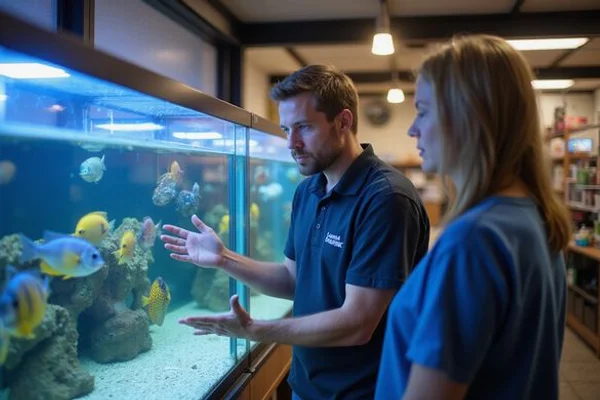
Our experts will evaluate several important factors when you come into the store.
- Your current tank size and dimensions
- Your long-term stocking goals
- Your overall experience level with water chemistry
If the specific species you want will not work together, expect an honest answer and a better alternative. Heavy filtration is another major secret to success for aggressive tanks.
We recommend using a system that turns over the tank volume at least five times an hour, such as the Fluval FX4 canister filter. Proper water movement helps dilute the heavy bio-load these active fish produce. You can pick up crushed coral, Seachem buffers, and premium food directly from the floor to set up perfect conditions from day one.
Our entire stock of cichlids undergoes a strict two-week quarantine to guarantee their health. Call (941) 555-0178 to check current availability and ask any final questions. Stop by at 2847 Bee Ridge Road, Sarasota to see these beautiful fish in person and get your setup started.
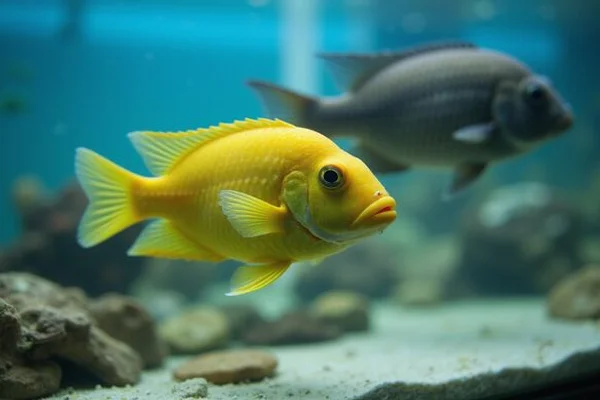
Gallery
How it works
Visit the store
See livestock in person at 2847 Bee Ridge Road — no appointment needed.
Talk with our team
We review your tank size, chemistry, and goals before recommending species.
Pick healthy stock
Choose from quarantined fish and corals with honest compatibility labels.
Take home with guidance
Get acclimation steps, food recommendations, and free water testing follow-up.
What Our Customers Say
"Finally a fish store where the staff knows what they're talking about. Marcus talked me out of buying fish that would've died in my tank. That's integrity."
"My kids' first aquarium has been running 2 years now thanks to the setup advice here. No losses!"
"Best coral selection between Tampa and Fort Myers. Healthy frags, fair prices."
Frequently Asked Questions
What cichlid species do you carry?
We stock African cichlids (Mbuna, peacocks, haplochromis), South American cichlids (angelfish, oscars, geophagus, Apistogramma), and related species. African and South American cichlids need very different water chemistry, so we keep them in separate systems and explain the differences before you buy.
Can African and South American cichlids be kept together?
Generally no. African cichlids prefer hard, alkaline water (pH 7.8-8.5, high hardness) and tend to be territorial and aggressive. South American species typically prefer softer, more acidic water. Mixing them usually means one group is unhappy and the aggression is unpredictable. We'll walk you through species-specific setups.
How do I manage aggression in an African cichlid tank?
Tank size, rockwork, and stocking ratio are the three main tools. A crowded Mbuna tank with enough territory breaks sounds counterintuitive but tends to spread aggression across more fish rather than focusing it on one target. We can recommend setups based on your tank size.
What water parameters do African cichlids need?
Most African cichlids do best at pH 7.8-8.5, hardness 10-20 dGH, and temperature 76-82°F. Crushed coral substrate, limestone rockwork, and buffer supplements help maintain these levels. We carry the supplies you need and can advise on setup.
Are cichlids quarantined like other fish?
Yes, every cichlid goes through our standard 2-week quarantine before it goes on the sales floor — same observation, feeding checks, and treatment protocol as all other livestock.