Reef-Safe Fish: What 'Safe' Actually Means
What 'reef-safe' actually means — fully safe, safe with caution, and not safe species. How we label every saltwater fish in-store.
For a related deep dive, read our FOWLR vs reef tank guide. Start with our parent guide: Saltwater Fish.
Goal: Help reef buyers avoid expensive coral-eating mistakes.
We have seen exactly how one impulsive fish purchase can turn a thriving ecosystem into an expensive disaster.
Many homeowners and business owners learn this the hard way after finding a new, striking fish eating their prized $100 Acropora coral frag.
Our team has spent years fixing these exact mismatches for local aquarists.
The label “reef-safe” gets thrown around casually, but successfully choosing a reef safe saltwater fish is highly nuanced. We are going to break down exactly what these labels mean, examine the specific species that cause trouble, and walk through how to choose livestock that matches your water parameters. This step-by-step approach ensures you never lose corals to the wrong species again.
What ‘reef-safe’ actually means (no nipping corals, no eating inverts)
A reef-safe fish is simply a species that will not consume your corals, attack your decorative invertebrates, or constantly disturb the rockwork in your tank. This compatibility is crucial for protecting your investment, especially when replacing a single damaged Small Polyp Stony (SPS) coral frag can easily cost over $50 to $100.
We actively advise clients that true reef-safe species are peaceful cohabitants that ignore both the expensive corals and the essential cleanup crew. Snails, hermit crabs, and cleaner shrimp remain completely safe around these docile fish. Our shop heavily stocks these reliable varieties to ensure your underwater landscape stays pristine.
What true reef-safe behavior looks like:
- Zero coral nipping: They ignore the fleshy polyps of LPS corals and the mantles of Tridacna clams.
- Invertebrate safety: They leave essential detritus eaters alone.
- Minimal rock disturbance: They swim in the water column rather than digging up your carefully placed substrate.
‘Reef-safe with caution’ gray zone: context, age, feeding affect risk
The “caution” label means a fish might leave corals alone under perfect conditions, but it carries a known risk of turning destructive if its diet or environment changes. This gray area requires the tank owner to carefully monitor behavior and provide highly specific care.
We frequently see Dwarf Angelfish, like the Flame Angelfish or Coral Beauty, fall directly into this unpredictable category. A juvenile might behave perfectly for months before suddenly deciding to nip at your expensive soft corals or clam mantles.
Pro Tip: A well-fed fish is a well-behaved fish. Feeding risky species like Dwarf Angelfish small amounts two to three times a day dramatically reduces the chance they will sample your corals.
Our advice for business owners with display tanks is to skip these risky species unless you can commit to feeding them multiple times a day. Keeping them extremely well-fed reduces the temptation to snack on your reef, but it never eliminates the risk entirely.
Common reef-safe species
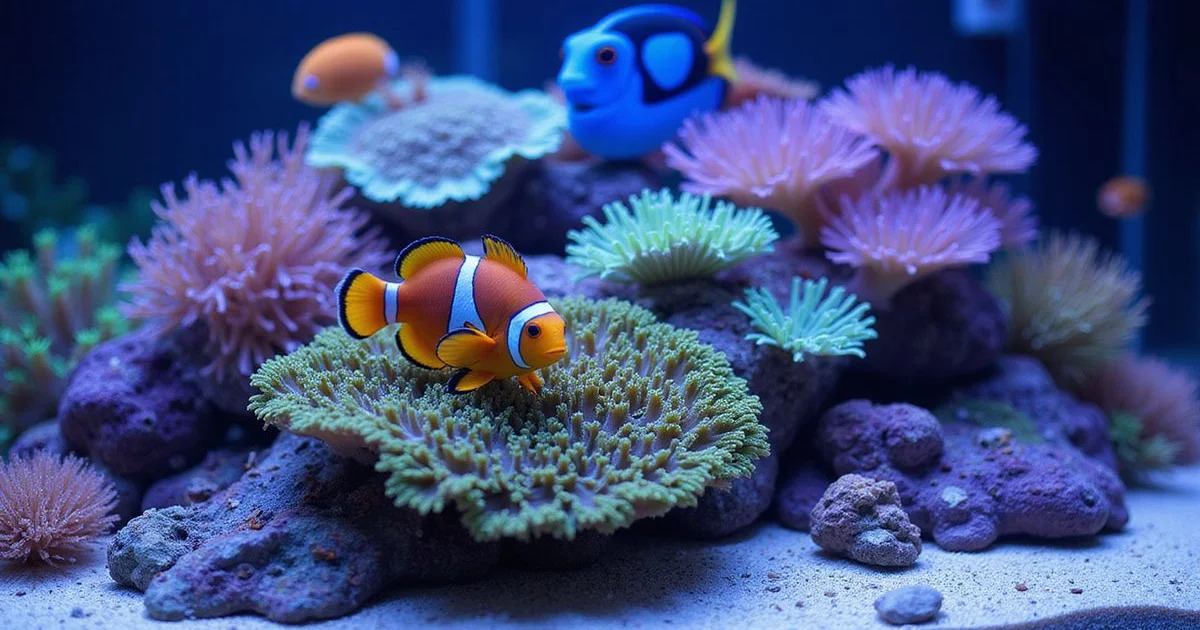
The most reliable reef-safe species include Ocellaris Clownfish, Yellow Watchman Gobies, Flasher Wrasses, and Kole Tangs. These peaceful varieties form the vibrant foundation of almost every successful home or office aquarium.
Our team strongly recommends starting with these proven, easy-to-manage fish if you are new to maintaining a saltwater environment.
Top Picks for Beginner Reefs
Ocellaris Clownfish and Yellow Watchman Gobies are incredibly hardy and stick to their designated territories. They naturally focus on eating prepared foods rather than destroying your costly landscape.
We keep a large rotation of these dependable species in stock because they simply work, making them the perfect start to your reef safe fish list. A standard pair of captive-bred clownfish usually costs between $40 and $60, making them a low-risk, high-reward investment.
Excellent Cleaners and Grazers
Tangs and specific wrasses provide natural pest control and algae management for your tank. A Kole Tang will spend its entire day grazing on nuisance film algae, keeping your glass and rocks clean.
Our preferred utility fish is the Flasher Wrasse, which actively hunts small pests while remaining completely safe with invertebrates.
| Species Type | Common Examples | Tank Behavior |
|---|---|---|
| Clownfish | Ocellaris, Percula | Stays near host anemone or territory, ignores corals completely. |
| Gobies | Yellow Watchman, Diamond | Sifts sand for food or perches on rocks, highly peaceful. |
| Wrasses (Selected) | Flasher Wrasse, Fairy Wrasse | Swims actively in the water column, safe with all invertebrates. |
| Tangs (Surgeonfish) | Kole Tang, Yellow Tang | Grazes exclusively on nuisance algae, excellent for tank maintenance. |
Commonly NOT reef-safe
Fish that are widely considered not reef-safe include large predators and coral-eating fish like the Emperor Angelfish and Clown Triggerfish. These aggressive eaters will actively consume your expensive corals, decimate your cleanup crew, and swallow smaller fish whole.
We deliberately separate these destructive predators into “Fish-Only” displays to prevent accidents.
The Danger of Large Angelfish and Puffers
Species like the Emperor Angelfish actively graze on stony coral polyps and delicate sponges as a primary food source. Dogface and Porcupine puffers use their strong, beak-like teeth to bite chunks directly out of hard corals and clam shells.
Our staff will always warn you before bagging up any of these species if you mention having a mixed reef environment.
Why Most Triggerfish Fail in Reefs
With the rare exception of the Bluejaw Triggerfish, these powerful swimmers will crush and eat your entire invertebrate cleanup crew. A Niger Triggerfish might look harmless as a two-inch juvenile, but it will quickly grow into a six-inch subadult that rapidly destroys snails and crabs.
We advise clients to only keep these aggressive fish in tanks specifically designed with large rock structures and zero corals.
Major offenders to avoid in a reef setup:
- Large Angelfish: Species like the Emperor Angelfish actively graze on stony coral polyps and sponges.
- Most Triggerfish: They will crush and eat your entire invertebrate cleanup crew.
- Puffers: They use their strong beaks to bite chunks out of corals and hard-shelled invertebrates.
- Lionfish: They will swallow any shrimp or small fish that fits into their massive mouths.
How we label each species in-store and ask before letting you buy
We utilize a clear, color-coded traffic light system on all our store tanks to instantly communicate the reef compatibility of every species. This simple visual cue helps homeowners and office managers easily identify which fish fit their current setup without guessing.
Our team individually evaluates every arrival during their mandatory two-week quarantine before assigning them a green, yellow, or red tag. Green tags mean fully reef-safe, yellow indicates “with caution,” and red tags strictly warn against putting the fish near corals.
What our color codes mean:
- Green Tag: Completely reef-safe and safe for invertebrates.
- Yellow Tag: Reef-safe with caution; requires frequent feeding and monitoring.
- Red Tag: Not reef-safe; restricted to fish-only systems.
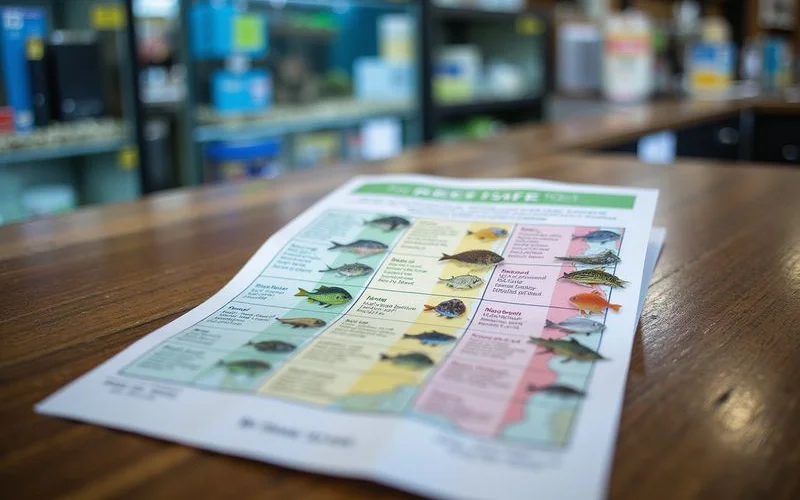
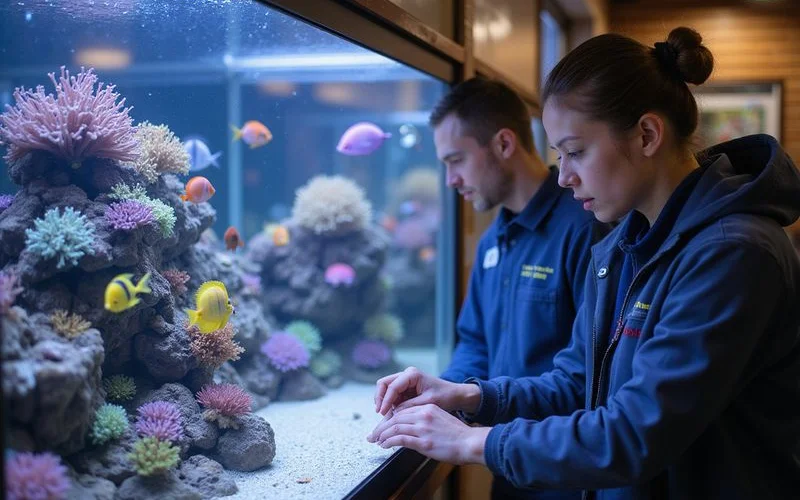
We will actively ask you about your tank’s inhabitants and water chemistry before finalizing any sale. Having a quick conversation at the counter prevents a $30 fish from destroying a $500 coral display.
Our primary objective is your long-term success, which is why Marcus Chen opened Gulf Coast Aquatics in 2019 to provide real answers instead of sales pressure.
Practical next steps
The most practical first step before adding any livestock is to test your specific water parameters to ensure they match reef requirements. A stable environment with a specific gravity between 1.025 and 1.026 and an alkalinity of 8 to 11 dKH is the standard for success.
We offer complimentary, ten-minute water testing at our Sarasota location to give you immediate, actionable data. Relying on precise measurements rather than internet forum guesses will save you significant time and frustration.
Our experts will translate your results into plain language and explain exactly what is driving any chemical imbalance.
- Test your water (free in store, see our free water testing page).
- Verify your salinity is strictly between 1.025 and 1.026 specific gravity.
- Match livestock to your actual parameters, not forum guesses.
- Ask us before you buy; we will tell you if something will not work in your tank.
Bring a water sample to the shop this weekend, and let our team help you map out a safe stocking plan.
Visit Gulf Coast Aquatics
2847 Bee Ridge Road, Sarasota FL 34239 · (941) 555-0178 · Open Mon-Sat 10-6, Sun 12-5.
Frequently asked questions
Are clownfish always reef-safe? ▼
Yes — but they may host any coral that looks like an anemone, which can stress the coral.
Can I keep an angel in a reef? ▼
Some dwarfs (flame, coral beauty) are gambles; most large angels are coral-eaters.
What if a 'reef-safe' fish starts eating corals? ▼
It happens — usually with under-fed fish. Rehome it before it costs you frags.
Ready for the next step?
Browse our Saltwater Fish selection in store or ask us in person at Bee Ridge Road.
View Saltwater Fish