Sarasota Tap Water vs RO/DI for Reef Tanks
Sarasota municipal tap water profile (chloramines, phosphates, TDS) and why reef tanks need RO/DI. Units and gallon water sold in-store.
For a related deep dive, read our reef chemistry triad.
Start with our parent guide, Live Corals, as a foundational resource for this goal: educating Sarasota reefers on a regional problem and converting into RO/DI equipment or by-the-gallon sales.
Our team knows the frustration of watching premium corals slowly fade despite your best efforts. Many local hobbyists spend hundreds on perfect lighting, only to ignore the foundation of their system. Tap water chemistry is usually the hidden catalyst for those mysterious tank crashes.
We see this specific scenario play out constantly at the shop. The regional water supply carries distinct elements that make keeping sensitive marine life incredibly difficult. A quick adjustment to your filtration process fixes the problem at the source.
What is the Sarasota municipal water profile?
We strongly recommend testing your baseline tap water before mixing any synthetic salt. Sarasota’s municipal tap water contains up to 4 mg/L of chloramines, high total dissolved solids (TDS), and elevated hardness levels. This specific chemical cocktail creates immediate toxic conditions for sensitive reef aquariums.
Our water testing equipment consistently flags local samples sitting well above 300 parts per million (ppm) for TDS. The county utility blends surface water from the Peace River with deep well water from the Floridan Aquifer. This mixture naturally accumulates heavy minerals and seasonal agricultural runoff before it reaches your sink.
We track these seasonal water quality shifts to help hobbyists adjust their maintenance routines. The municipal treatment facilities use chloramines to disinfect the supply, which is standard practice but deadly for fish. High concentrations of silicates also slip through the municipal treatment process undetected.
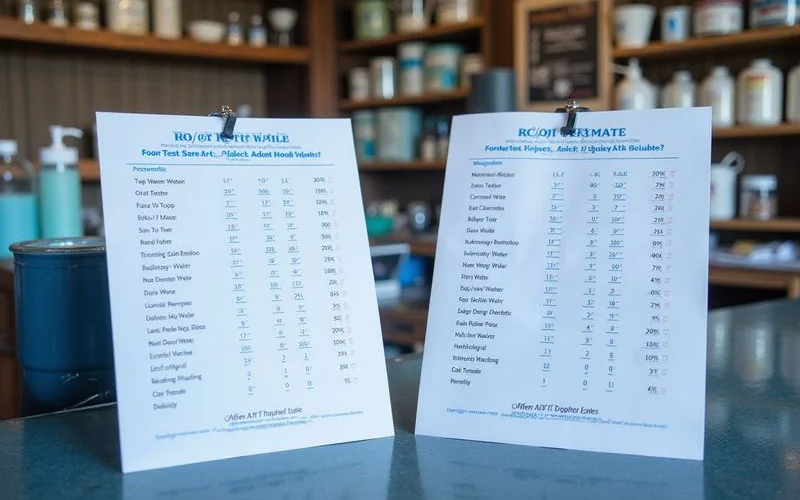
| Element | Sarasota Tap Water | Ideal Reef Target |
|---|---|---|
| Chloramine | Up to 4.0 mg/L | 0.0 mg/L |
| TDS | 300+ ppm | 0 ppm |
| Hardness | 15-25 GPG | Matches Salt Mix |
| Silicates | Varies Seasonally | 0.0 ppm |
We always explain to customers that the EPA allows specific levels of these chemicals for human consumption, but marine corals require absolute zero. A standard tap water profile simply cannot support a thriving reef ecosystem. Pure water is the only reliable foundation for a saltwater tank.
Why does RO/DI matter specifically for reef tanks?
Our service staff considers an RO/DI unit the single most important piece of gear for long-term success. A Reverse Osmosis and Deionization (RO/DI) system strips out the chloramines, phosphates, and silicates that fuel nuisance algae. Using purified water guarantees your corals can calcify properly without fighting toxic heavy metals.
We see dozens of tank crashes every year caused simply by topping off evaporation with untreated tap water. Tap water silicates are the direct food source for brown diatom blooms that coat your sandbed. Phosphates act as a chemical blocker, preventing stony corals like Acropora from building their calcium carbonate skeletons.
How chloramines bypass standard filters
We help hobbyists eliminate this risk entirely by starting with pure, zero-TDS water from the very beginning. Standard carbon filters reduce chlorine, but they cannot effectively break the strong chemical bond of chloramines. This limitation leaves toxic ammonia circulating directly into your display tank.
Our preferred approach uses specialized catalytic carbon blocks to neutralize these persistent chemicals completely. Typical water conditioners, like Seachem Prime, only temporarily bind the ammonia. The bound ammonia remains in the water column and forces your biological filter to work overtime.
What RO/DI unit options are in-store from entry-level to high-volume?
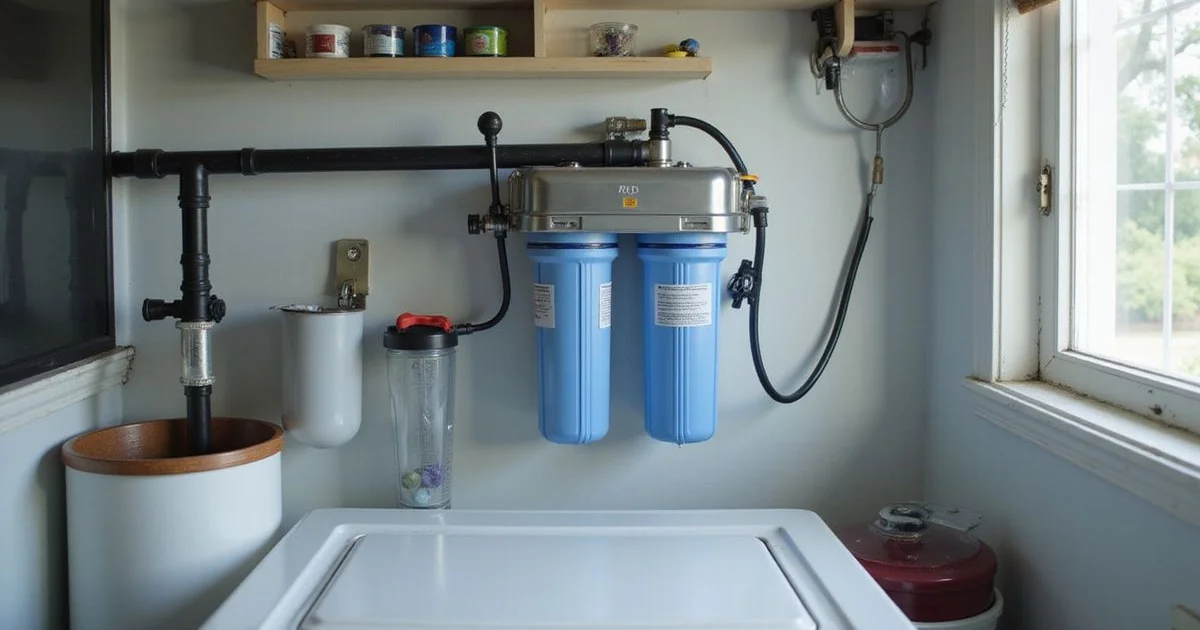
We stock high-capacity catalytic carbon replacement blocks specifically designed to tackle Sarasota’s high chloramine levels. The shop carries everything from compact 4-stage, 50-gallon-per-day (GPD) units to heavy-duty 6-stage, 150-GPD systems. The right choice depends entirely on your total system volume and weekly evaporation rate.
Our inventory features trusted systems from brands like Aquatic Life and BRS because they handle Florida water beautifully. A standard 4-stage system works well for most moderate-sized soft coral setups. Larger tanks with sensitive stony corals demand the extra polishing power of a 6-stage system.
We guide new customers toward systems that match their specific filtration needs.
- Entry-Level (4-Stage, 50 GPD): Perfect for nano tanks under 40 gallons
- Mid-Range (5-Stage, 100 GPD): The sweet spot for 75-gallon to 120-gallon systems
- High-Volume (6-Stage, 150+ GPD): Built for large displays and dedicated fish rooms
The correct unit ensures you always have clean top-off water ready to go. Consistent water changes become much easier when you produce the water on-site.
How does buying RO/DI by the gallon at our store work for keepers without a home unit?
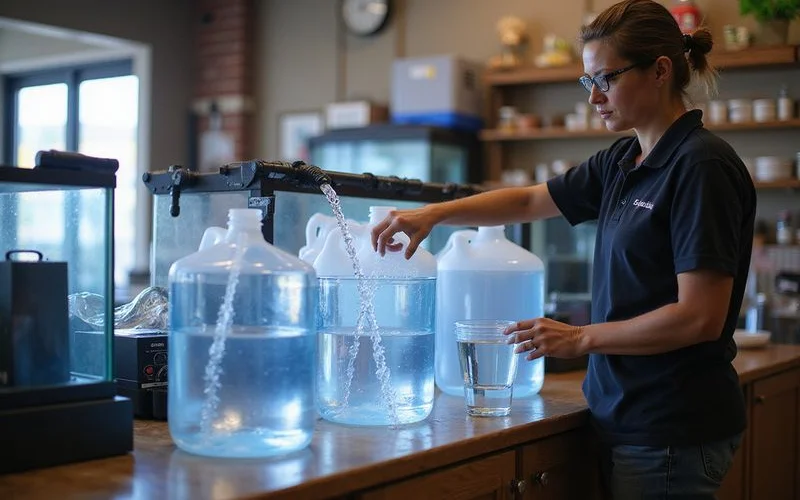
We recommend grabbing heavy-duty, BPA-free containers to transport the water safely without leaching chemicals. You can bring your own 5-gallon jugs and purchase pure RO/DI water directly from the shop filtration station. This is the most practical solution for nano-reef owners lacking the plumbing space for a dedicated home filter.
Our commercial-grade mixing station produces zero-TDS water that gets tested for purity every single morning. Buying by the gallon typically costs less than a dollar per unit. Pre-mixed saltwater is also available to make your weekly water changes effortless.
We provide a clean, accessible fill station right at the front of the store.
”A quick rinse of the jugs before refilling helps maintain peak water quality and prevents contamination.”
Keep the sealed containers in a cool, dark place to prevent any unwanted bacterial growth before use.
When is dechlorinator alone fine vs when is RO/DI non-negotiable?
We always ask about your future stocking plans before recommending a specific water preparation method. A quality dechlorinator works for freshwater community tanks, but RO/DI water is absolutely non-negotiable if you plan to keep live corals. Hard corals like Acropora will suffer rapid tissue necrosis if phosphates rise above 0.05 ppm.
Our team relies on Seachem Prime for fish-only systems with live rock (FOWLR) since these fish tolerate minor nutrient swings. Anemones and delicate shrimp require pristine water chemistry to molt and survive long-term. Gulf Coast Aquatics was built at 2847 Bee Ridge Road for hobbyists who want real answers instead of sales pressure.
Our founder Marcus Chen opened the shop in 2019 after 25 years in the hobby and a long stint managing big-box aquarium departments.
Why local expertise saves you money
Every saltwater species gets clear, accurate reef-safe labeling to prevent costly mistakes. Bring a water sample anytime for complimentary testing covering ammonia, nitrite, nitrate, pH, alkalinity, calcium, magnesium, and salinity.
We will gladly review your water chemistry and advise you against buying livestock if your parameters are unstable. The results take about ten minutes to process on-site. Taking immediate action on your water source changes the entire trajectory of your aquarium.
We always explain the data in plain language so you know exactly what is driving your tank issues. If you are investigating recurring algae issues and suspect the local water, you are in the exact right place. Reliable water quality is the best investment you can make for your reef.
What are the practical next steps?
Our staff provides comprehensive diagnostics to pinpoint exactly what is holding your corals back. The most practical next step is testing your water to establish a clear baseline of your current tank parameters. Matching your livestock choices to your actual water parameters works much better than relying on internet forum guesses.
We test your water for free in the store, just review the details on our free water testing page. The right testing routine prevents minor chemical swings from becoming catastrophic tank crashes. Proper planning saves time, money, and unnecessary stress for the animals.
We encourage hobbyists to ask questions before purchasing new corals to confirm they are compatible with the current setup. A logical approach to chemistry makes reef keeping incredibly rewarding. Taking immediate control of your water source is the fastest path to a thriving reef.
- Get a baseline reading: Bring a sample in for testing
- Match livestock to parameters: Choose corals that fit your actual chemistry
- Consult the experts: Ask questions to avoid incompatible tank mates
- Upgrade your filtration: Invest in an RO/DI unit or buy pure water by the gallon
How can you visit Gulf Coast Aquatics?
Our team is ready to help you build the reef tank you have always wanted. You can visit Gulf Coast Aquatics at 2847 Bee Ridge Road in Sarasota to check out the current inventory. The retail location is fully stocked with premium equipment, pristine water, and healthy livestock.
We answer questions over the phone during normal business hours at (941) 555-0178. The store is open Monday through Saturday from 10:00 AM to 6:00 PM, and Sunday from 12:00 PM to 5:00 PM. A quick visit can save you months of frustration.
We look forward to solving your water quality challenges. Start using clean water today and watch your reef thrive. Healthy corals are waiting for a stable home in your tank.
Frequently asked questions
Can I use RO from the grocery store? ▼
RO yes; RO/DI no. Grocery RO leaves some TDS. For reef, you want true 0 TDS RO/DI.
How much RO/DI water does a reef tank need? ▼
Plan for 10-20% water changes weekly plus ATO top-off — a 50g reef uses ~25 gal/week.
Do I need RO/DI for FOWLR? ▼
Not as critical — RO + dechlor is usually fine for FOWLR. RO/DI matters most for corals.
Ready for the next step?
Browse our Corals selection in store or ask us in person at Bee Ridge Road.
View Corals