Mastering the Reef Chemistry Triad
How calcium, alkalinity, and magnesium interact in reef tanks. Target ranges, testing, dosing (two-part, kalk, calcium reactor), and free in-store testing.
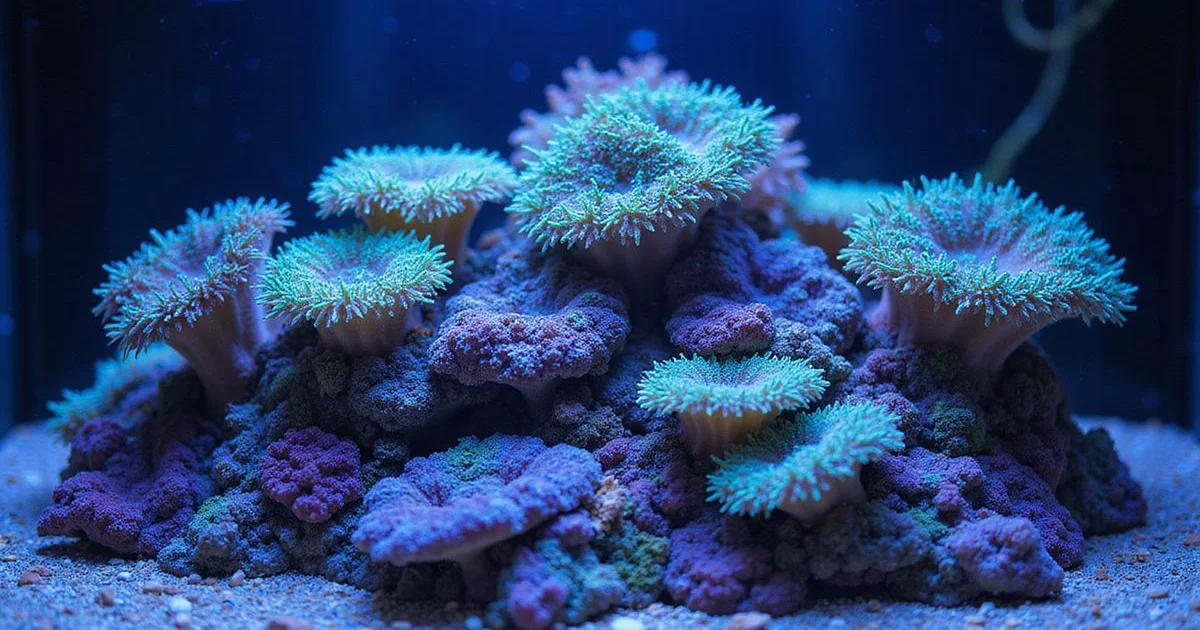
For a related deep dive, read our SPS vs LPS vs soft corals. Start with our parent guide: Live Corals.
Goal: Establish topical authority for intermediate-to-advanced reefers transitioning to demanding SPS.
We see it every week in the shop: an intermediate reefer buys their first Acropora, only to watch it struggle from unstable water.
Understanding the exact balance of alkalinity calcium magnesium is the actual secret to growing demanding small polyp stony (SPS) corals. Our team can help you master the reef chemistry triad calcium alkalinity magnesium, look at concrete targets, and map out maintenance. You need to understand how these elements work together before adjusting them.
We always check the data first to see why stability matters so much. Let’s examine how these reef tank parameters interact.
Why each parameter matters and how they interact (Mg holds Ca and Alk in solution)
Magnesium acts as a chemical stabilizer that prevents calcium and alkalinity from combining and falling out of the water as white snow. Our service team often explains this relationship as a three-legged stool for coral growth. If you push your alkalinity too high while your magnesium is sitting below 1200 ppm, you will trigger an abiotic precipitation event.
We see this resulting calcium carbonate snowstorm plummet calcium and alkalinity levels simultaneously. Calcium provides the raw building material for stony coral skeletons. Our experts monitor alkalinity closely because it acts as the carbonate fuel driving the calcification process.
Magnesium then coats the newly forming calcium carbonate crystals, preventing them from fusing together uncontrollably. We treat magnesium as the primary enabler for the other two elements. You will struggle to raise your calcium past 400 ppm if your magnesium is depleted.
Our experience shows that fixing the magnesium first allows the other parameters to lock into place naturally. This balanced approach ensures your tank stays healthy.
Target ranges
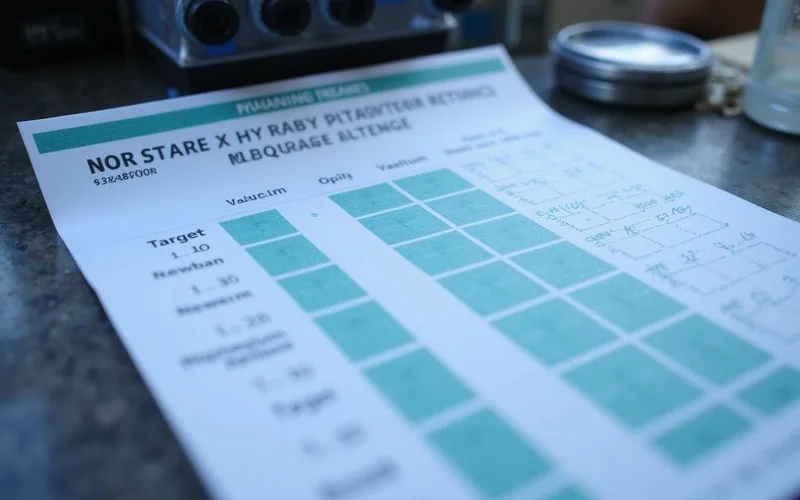
The ideal target ranges for a mixed or SPS-dominant tank are 420 to 440 ppm for calcium, 8 to 9 dKH for alkalinity, and 1300 to 1400 ppm for magnesium. We strongly recommend choosing a target and locking it down, because keeping these numbers flat is far more critical than hitting a specific digit. A stable tank running at 7.8 dKH will easily outgrow a tank swinging between 8.0 and 9.5 dKH every week.
Our coral systems thrive because we prevent the fast parameter fluctuations that trigger Rapid Tissue Necrosis (RTN) in sensitive Acropora species. Your corals will adapt to your baseline as long as you prevent those sudden spikes. We use this strict baseline for all our commercial display tanks:
| Parameter | Target Range | Natural Seawater Baseline |
|---|---|---|
| Calcium (Ca) | 420-440 ppm | ~420 ppm |
| Alkalinity (Alk) | 8-9 dKH | ~7 dKH |
| Magnesium (Mg) | 1300-1400 ppm | ~1280 ppm |
Testing frequency (weekly minimum for SPS, monthly for softies)
You must test alkalinity, calcium, and magnesium at least once a week for SPS corals, while monthly testing is sufficient for low-demand soft coral tanks. We use precise tools rather than cheap test strips to ensure our readings are completely accurate. High-demand systems often require daily testing until dosing schedules are fully dialed in.
Our staff recommends digital photometers like the Hanna Instruments HI772 Checker to remove the visual guesswork from reading alkalinity. Fast-growing SPS corals consume alkalinity rapidly. We rely heavily on automated testing systems for large client installations to track this consumption.
Devices like the Neptune Trident sample the water automatically several times a day. Our maintenance protocols use the trend graphs from these devices to highlight exactly when your calcium or alkalinity usage shifts. Catching these shifts early prevents major coral losses.
Dosing approaches
Two-part dosing, Kalkwasser, and calcium reactors are the three primary methods for replenishing the chemistry triad. We help clients choose the best method based on their tank size, coral density, and daily evaporation rate. Each approach offers unique benefits for different types of setups.
Two-Part Dosing Solutions
Two-part systems use separate liquid supplements to add calcium and alkalinity in equal amounts. Our technicians start almost all beginner SPS clients on a two-part system using programmable dosing pumps. Brands like ESV B-Ionic or Bulk Reef Supply (BRS) offer highly concentrated solutions that are incredibly easy to measure.
We always remind customers that this method does slowly increase sodium and chloride levels over time, making routine water changes essential. Regular maintenance keeps these levels perfectly balanced.
Kalkwasser (Calcium Hydroxide)
Kalkwasser delivers a perfectly balanced ratio of calcium and alkalinity while naturally boosting your tank’s pH. We love Kalkwasser for mixed reefs because it is highly cost-effective and helps maintain a pH closer to 8.3. You simply mix this white powder into your freshwater auto-top-off reservoir.
Our team calculates your maximum daily dose based strictly on how much water evaporates from your tank each day. This evaporation limit is the only major drawback to the system.
Calcium Reactors
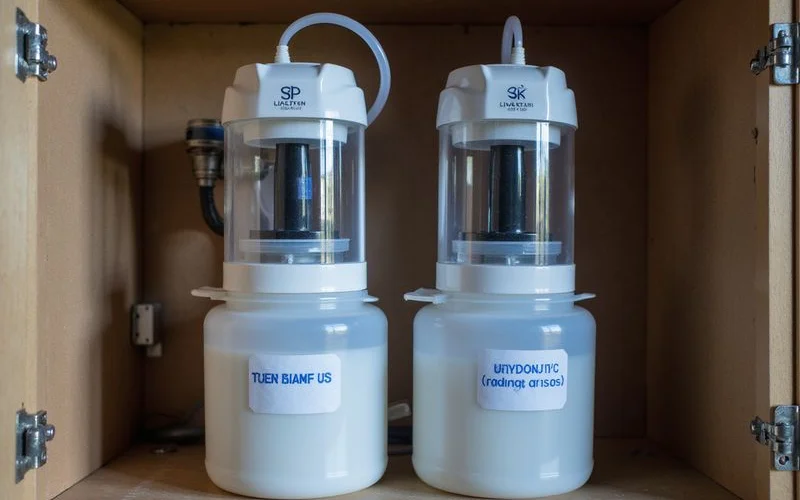
A calcium reactor uses carbon dioxide gas to dissolve crushed coral media, returning a steady drip of calcium, alkalinity, and trace elements back into your system. We consider this the most economical long-term option for large tanks, despite the initial setup cost often exceeding $1,100 for the reactor, regulator, and CO2 bottle. Heavy SPS systems exceeding 150 gallons usually require this method to keep up with massive consumption rates.
Our commercial clients appreciate how hands-off a dialed-in calcium reactor can be. It provides unmatched stability for demanding installations.
Free in-store testing, bring a sample, we’ll dose-plan with you
Bring a clean water sample to our Sarasota shop, and we will run a complete, free diagnostic test on your reef chemistry. Our team provides concrete dose-planning advice based on your exact water volume and livestock. Marcus Chen opened Gulf Coast Aquatics in 2019 after 25 years in the hobby and years managing big-box aquarium departments.
We built our Sarasota store at 2847 Bee Ridge Road for hobbyists who want real answers instead of sales pressure. Every fish is quarantined for two weeks in our systems. Our protocols ensure every saltwater species gets clear, reef-safe labeling.
You are in the right place if you are an intermediate reefer transitioning from softies to SPS and need concrete chemistry targets and dosing methods. We will tell you honestly if your water chemistry is off before you buy any livestock. Bring a water sample anytime for a free screening covering the following:
- Ammonia, nitrite, and nitrate
- pH and alkalinity
- Calcium and magnesium
- Salinity for marine tanks
Our staff processes results in about ten minutes. They will explain what is likely driving your issue in plain language. We are ready to help you grow the reef of your dreams.
Practical next steps
Your next step is to establish a clear baseline of your current reef tank parameters before making any changes. We strongly advise that consistent testing protects your coral investment and guides your dosing strategy. Follow these practical guidelines to get your reef chemistry triad balanced:
- Test your water (free in store, see our free water testing page).
- Match livestock to your actual parameters, not forum guesses.
- Ask us before you buy, we will tell you if something won’t work in your tank.
Visit Gulf Coast Aquatics
Stop by and see us at 2847 Bee Ridge Road, Sarasota FL 34239. We are always happy to talk reef chemistry or help you plan your next aquarium upgrade. Give us a call at (941) 555-0178.
Our doors are open Mon-Sat 10-6, Sun 12-5. Let’s get your tank parameters completely dialed in.
Frequently asked questions
Do softies need triad management? ▼
Less so — weekly water changes usually keep softies happy. SPS is where dosing becomes essential.
What's a 'safe' rate of change for alkalinity? ▼
Stay within 0.5 dKH/day. Bigger swings trigger RTN in SPS.
How often should I test the triad? ▼
Weekly for SPS tanks. Monthly for LPS/soft-coral tanks unless something looks off.
Ready for the next step?
Browse our Corals selection in store or ask us in person at Bee Ridge Road.
View Corals