How to Dip & Quarantine New Corals (Pest Prevention)
Coral dipping protocol — Bayer, ReVive, Coral RX. Pests to watch for (aiptasia, flatworms, nudibranchs) and quarantine timeline.
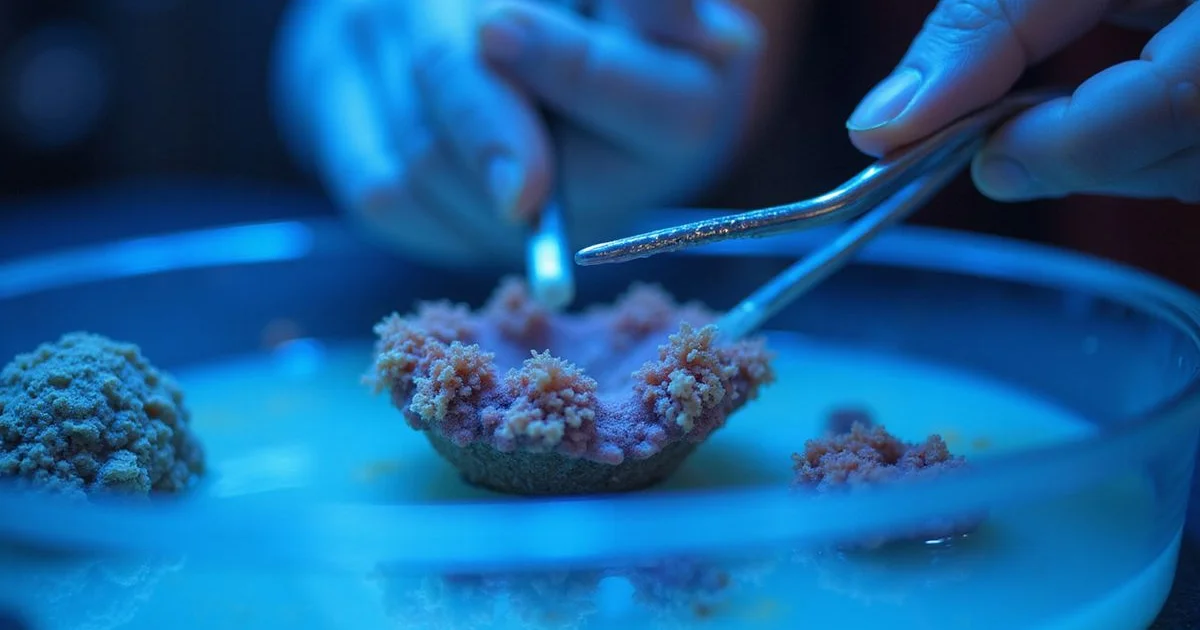
For a related deep dive, read our SPS vs LPS vs soft corals. We will show you exactly how to dip new corals so you never introduce a tank-destroying pest.
A single new frag can carry unseen hitchhikers that multiply rapidly. It takes only one tiny pest to ruin years of hard work.
Our team at Gulf Coast Aquatics relies on a strict protocol to protect every tank. Preventing an infestation is always easier than treating one. You should review the basics in our Live Corals parent guide before purchasing new livestock.
We see tragic colony collapses happen all too often in the reef keeping hobby. The process starts by identifying the threats. Action must be taken immediately upon bringing a new piece home.
Common pests
We regularly identify aggressive invaders on newly imported shipments. These pests specialize in consuming specific types of corals and reproduce incredibly fast. Fast-breeding invaders quickly overwhelm a balanced marine ecosystem.
Our worst offenders include Acropora-eating flatworms, Aiptasia anemones, Montipora-eating nudibranchs, and red bugs. Red bugs, formally known as Tegastes acroporanus, are tiny yellow copepods with a red dot that measure barely half a millimeter long. Rapid polyp retraction is the first warning sign of an active infestation.
- Acropora-eating flatworms (AEFW): These blend in with the coral tissue and cause rapid tissue necrosis.
- Aiptasia anemones: These rapidly multiplying pests will sting nearby corals and take over live rock.
- Nudibranchs: Both Montipora-eating and Zoanthid-eating varieties lay stubborn egg clusters.
- Red bugs: Tegastes acroporanus are tiny half-millimeter yellow copepods that stop Acropora polyp extension.
We find that these tiny crustaceans quickly cause Acropora colonies to lose their vibrant colors entirely. Nudibranchs present a different challenge because they lay highly resilient eggs. A mature Zoanthid-eating nudibranch will blend in perfectly with the polyps it consumes.
Our experience shows that these pests love to lay eggs hidden deeply in the crevices of frag plugs. Constant vigilance is required to catch these hitchhikers before they spread. Removing the coral from its original plug entirely is one of the best preventative measures you can take.
We always urge hobbyists to inspect the skeleton base closely, as this is where most eggs hide. Small preventative steps today will prevent total colony collapse tomorrow. You will save yourself massive headaches by treating every new arrival as a potential threat.
Coral dip products
Our standard rotation includes Coral Rx, ReVive Coral Cleaner, and an off-label use of Bayer Advanced Complete Insect Killer. Each formula serves a highly specific purpose in the marine aquarium hobby. Picking the wrong product can stress a fragile piece without actually killing the hitchhikers.
| Dip Product | Primary Use Case | Active Ingredients | Typical Dip Time |
|---|---|---|---|
| Coral Rx | Broad-spectrum pest removal for soft-bodied pests | Natural extracts | 5 to 10 minutes |
| ReVive | General cleaning and soothing post-shipping stress | Herbal extracts and pine oils | 5 to 10 minutes |
| Bayer Advanced | Aggressive treatment for red bugs and AEFW on SPS | Chemical insecticide (Imidacloprid) | 10 to 15 minutes |
We stock and recommend different solutions depending on the specific coral and the suspected threat. ReVive operates as a gentle cleaner for fleshy LPS or soft corals that arrive looking stressed from transit. Its gentle formula helps clean the tissue without causing severe chemical burns.
Our team switches to Coral Rx as a highly effective daily driver for eliminating flatworms and nudibranchs. The natural extracts in Coral Rx have been a trusted staple since 2006 for knocking off mobile invertebrates. This university-backed formula works exceptionally well for routine preventative maintenance.
We turn to Bayer Advanced Complete Insect Killer strictly for hardy SPS corals like Acropora. Reefers across the US use this agricultural insecticide at a dilution of 1.5 milliliters per ounce of saltwater to eradicate red bugs. Handling Bayer requires extreme caution and a very thorough rinsing phase.
Our staff always wears gloves and eye protection when pouring this concentrate because it is highly toxic. Protective gear prevents the chemicals from entering your bloodstream through small cuts on your hands. A well-ventilated workspace is absolutely mandatory for this procedure.
How to dip new corals: Dip duration, swirl technique, and rinse steps
We consider the physical mechanics of coral dipping just as important as the chemical solution itself. Simply dropping a piece into a bucket and walking away will rarely dislodge stubborn parasites. A standard turkey baster is the most valuable tool you can own for this job.
The Agitation Process
Our exact protocol relies on consistent agitation to break the grip of stunned flatworms. The coral sits in the primary treatment bath for exactly 5 to 15 minutes depending on the manufacturer instructions. Constant water movement blows pests out of the deep crevices between coral branches.
We prepare a primary treatment container with temperature-matched tank water and the selected chemical. Technicians use a turkey baster to gently blast water directly over the coral every two to three minutes. Blasting the water helps expose the hidden threats before the chemical timer runs out.
Proper Rinsing Technique
Our process requires two separate rinse containers filled with clean saltwater from the display tank. The residual toxins from dipping will contaminate your main system and harm your beneficial invertebrates. Moving a newly treated piece directly from the chemical bath into a display aquarium is incredibly dangerous.
We let the frag rest in the first rinse bucket for 8 to 10 minutes to dilute the chemicals. Any pests that survived the initial shock will usually fall off during this final resting phase. A gentle shake in the second bucket provides a final visual inspection before display placement.
Optional 2-4 week quarantine timeline for high-risk frags
Our records show that nudibranch eggs typically hatch within a seven-day window, making a single dip insufficient. Chemical baths only kill living organisms and do absolutely nothing to unhatched eggs. A simple 10 to 20-gallon holding tank provides enough space to observe these delayed hatchings safely.
The Observation Schedule
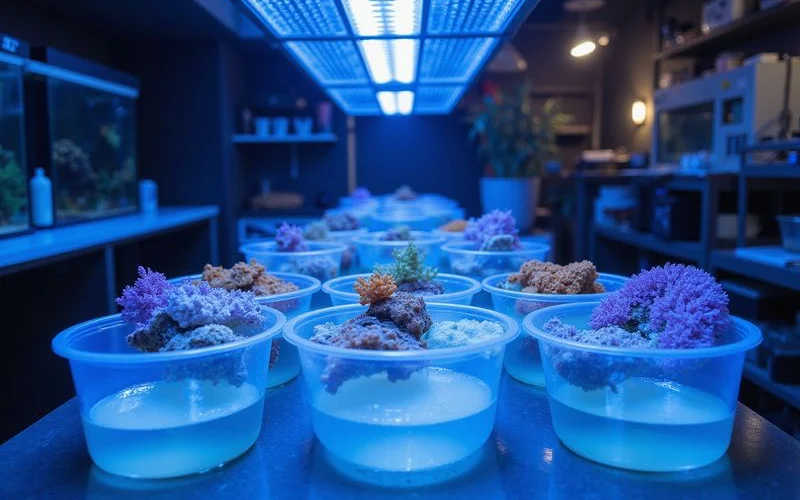
We strongly encourage setting up a dedicated isolation tank for high-risk purchases like wild-caught colonies. The holding period should last between two and four weeks to ensure complete safety. Maintaining zero ammonia and providing adequate flow keeps the new arrivals comfortable during isolation.
Our maintenance routine includes repeating the chemical bath every seven days during this holding window. This weekly rotation intercepts the newly hatched larvae before they mature enough to lay more eggs. Many predatory worms and bugs remain completely hidden during daylight hours.
We use a magnifying glass and a flashlight at night to inspect the polyps for these nocturnal feeders. Taking this extra time saves you months of frustration trying to catch a pest in a fully aquascaped reef. Proper coral quarantine protocols are the foundation of long-term success.
Our strict isolation timeline guarantees that nothing enters the main display until it proves to be absolutely clean. Patience during this phase is the greatest tool a reef keeper has. You will never regret taking the time to observe a new piece carefully.
What our store dips before sale (we run our own dip protocol)
We built Gulf Coast Aquatics precisely for hobbyists who want real answers instead of high-pressure sales tactics. Marcus Chen opened our doors in 2019 after spending more than 25 years in the hobby and managing big-box aquarium departments. A healthy home tank starts with acquiring livestock from healthy origins.
Our Sarasota store at 2847 Bee Ridge Road serves as a fortress against marine pests. Every single fish we bring in undergoes a mandatory two-week quarantine before hitting the sales floor. Removing the factory frag plug whenever possible eliminates hidden egg clusters instantly.
- Natural Extract Bath: A 10-minute targeted soak to stun flatworms.
- High-Pressure Rinse: Using tank water to dislodge stubborn debris.
- Blue Light Inspection: A physical check under high-intensity lighting to reveal fluorescent pests.
- Two-Week Hold: An observation period for all marine fish to ensure disease-free health.
We subject every incoming coral to a rigorous multi-stage cleansing process upon arrival. The first treatment is a targeted bath in natural extract cleaners to stun flatworms. A high-pressure rinse using tank water dislodges any stubborn debris left behind.
Our retail protocol includes a physical inspection under high-intensity blue lighting to reveal fluorescent flatworms. Every saltwater species gets clear, honest reef-safe labeling so you know exactly what you are buying. A reef keeper who just bought a new piece and wants to protect their existing tank is in the right place here.
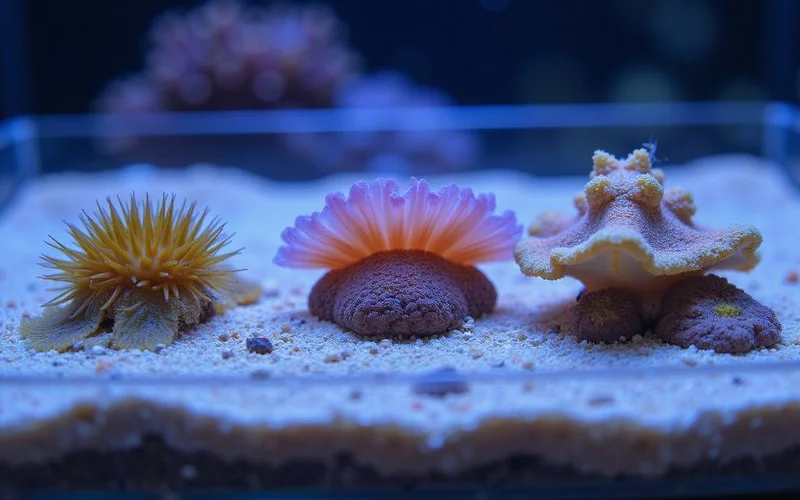
Practical next steps
We promise to provide honest feedback even if it means telling you a species will fail in your tank. Taking action right now prevents small chemistry issues from becoming full-scale disasters. A stable environment is the absolute best defense against pests and diseases.
Our team encourages you to follow these three core practices for tank stability.
- Test your water: You can get a complete evaluation at no cost by visiting our free water testing page.
- Match livestock to actual parameters: You must base your purchases on hard data rather than internet forum guesses.
- Ask before you buy: You should always ask questions so you avoid incompatible tank mates.
We analyze ammonia, nitrite, nitrate, pH, alkalinity, calcium, magnesium, and salinity in about ten minutes. The results are explained in plain language to identify what is likely driving your issue. Knowing your exact numbers allows you to make smart adjustments safely.
Visit Gulf Coast Aquatics
Our staff is ready to help you formulate a customized plan for your next frag purchase. The address is 2847 Bee Ridge Road, Sarasota FL 34239. You can reach the store directly by calling (941) 555-0178 during normal business hours.
We invite you to drop by our retail location to see our pristine display tanks in person. The doors are open Monday through Saturday from 10 AM to 6 PM, and Sunday from 12 PM to 5 PM. Stop by today to pick up reliable treatment solutions and expert advice.
Our number one goal is helping your miniature ocean thrive. Good maintenance habits keep the hobby enjoyable for everyone involved. Mastering how to dip new corals will ensure your marine ecosystem thrives for years to come.
Frequently asked questions
Do I need to dip frags from a trusted shop? ▼
Yes — even our dipped frags warrant a home dip as a final safety layer. Pests are too costly to skip.
Will dip kill the coral? ▼
Dosed correctly, no. Stressed corals may close up briefly but recover within hours.
What about quarantining corals? ▼
Best practice for high-value SPS — 2-4 weeks in a separate system to verify no pest emergence.
Ready for the next step?
Browse our Corals selection in store or ask us in person at Bee Ridge Road.
View Corals