Best Beginner Freshwater Fish (10 We'd Actually Recommend)
10 hardy freshwater fish for first-time hobbyists — tetras, danios, corydoras, platies, mollies, bettas. Tank-size pairings and what to avoid.
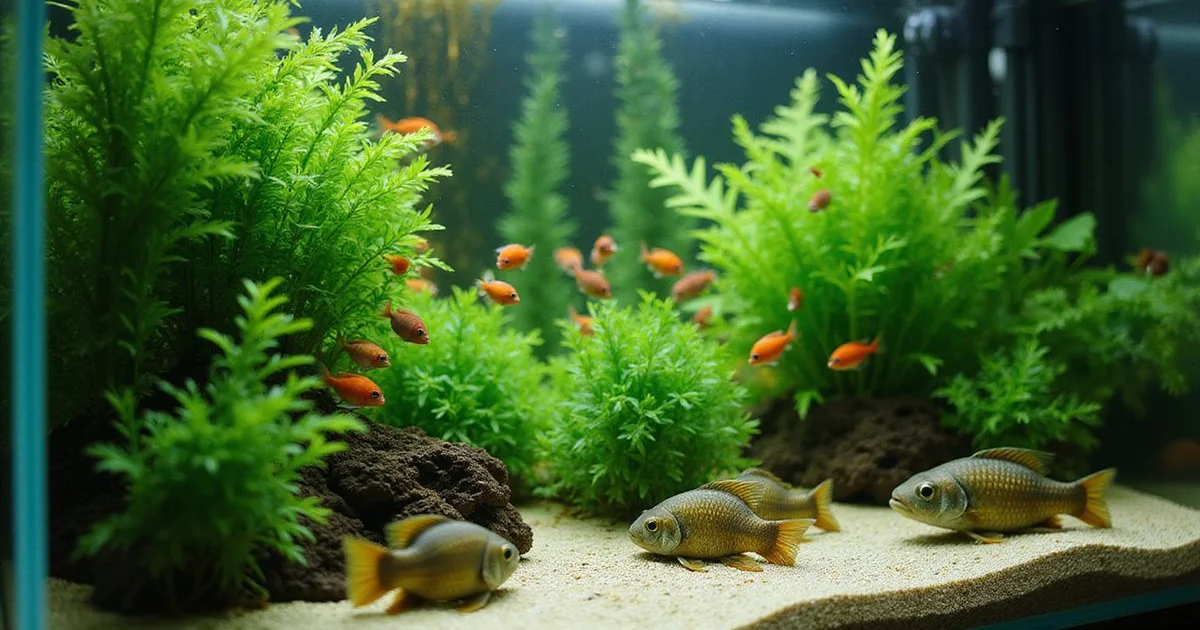
For a related deep dive, read our what aquarium size to start with. Our professional service team frequently sees new aquarium setups fail because of bad livestock choices. Many homeowners and business owners want a beautiful display, but they accidentally buy the wrong species instead of the best beginner freshwater fish. That mistake often leads to sick livestock and a frustrating experience.
You can prevent most of these headaches simply by picking hardy tropical fish.
Choosing resilient species makes maintenance much easier while keeping your tank vibrant. We suggest checking out our parent guide to Freshwater Tropical Fish for foundational tips. This breakdown covers ideal tank sizes, schooling requirements, and the common pitfalls you must avoid.
10 recommended beginner species with quick care notes
Finding the right setup means choosing species that tolerate slight water fluctuations. These ten varieties offer the highest success rates for a first aquarium fish based on PetMD’s 2026 freshwater care guidelines.
We always steer new hobbyists toward these specific choices because they are remarkably resilient. A colorful tank requires minimal effort if you stock it with the correct inhabitants.
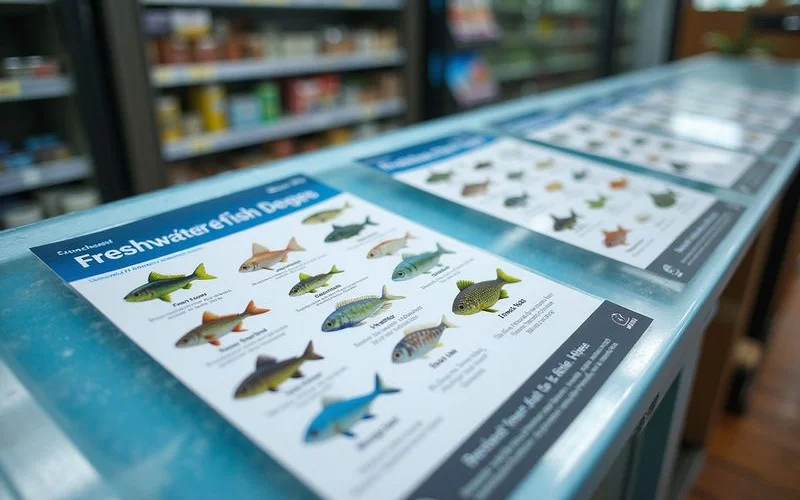
Here is a quick reference table for our top 10 recommended beginner species:
| Species | Care Level | Minimum Tank Size | Key Fact |
|---|---|---|---|
| Neon Tetras | Easy | 10 Gallons | About 2 million are sold monthly in the US. |
| Zebra Danios | Very Easy | 10 Gallons | Highly active surface swimmers that tolerate cooler water well. |
| Corydoras | Easy | 20 Gallons | Peaceful bottom feeders that help clean leftover food. |
| Platies | Easy | 10 Gallons | Livebearers that breed easily and accept almost any diet. |
| Mollies | Easy | 20 Gallons | Excellent algae eaters that prefer slightly hard water. |
| Bettas | Easy | 5 Gallons | Males must be kept alone in heated water (78°F minimum). |
| Guppies | Very Easy | 5 Gallons | The most commonly imported ornamental fish in the United States. |
| Harlequin Rasboras | Easy | 10 Gallons | Stunning schooling fish that prefer planted aquariums. |
| Cherry Barbs | Easy | 20 Gallons | Males turn bright red during their spawning cycle. |
| White Cloud Minnows | Easy | 10 Gallons | Thrive in unheated tanks (60-72°F) and are extremely peaceful. |
Our customers usually find success by selecting just one or two species from this list to start. Small groups establish a stable ecosystem much faster than a crowded tank. Starting slow gives your biological filter time to mature properly.
Tank-size pairings (10g, 20g, 30g), what works in each
Matching your chosen species to the correct water volume prevents severe health issues. The old guideline of “one inch of fish per gallon” is completely outdated because it ignores the actual biological waste produced by different species.
We strongly advise beginners to purchase a 20-gallon or 30-gallon setup instead of a 10-gallon tank. Larger water volumes dilute toxic ammonia much faster and reduce the maintenance burden on busy property owners.
Here are the best stocking options for standard tank sizes:
- 10-Gallon Setups: This is considered a “nano tank” with strict stocking limits. A 10-gallon aquarium is perfect for a single Betta fish or a small group of Guppies.
- 20-Gallon Setups: A 20-gallon long tank is the ideal starting point for a community setup. You have enough room for a school of Neon Tetras and a few bottom-dwelling Corydoras.
- 30-Gallon Setups: This volume provides excellent stability and horizontal swimming space. You can safely mix mid-water schooling fish with active surface swimmers like Zebra Danios.
What to avoid as a beginner
Knowing which species to skip is just as critical as knowing what to buy. Certain popular fish look small in the pet store but quickly outgrow standard setups or require complex care.
We see many frustrated hobbyists struggling because they bought incompatible or overly demanding livestock. Avoiding these specific animals will save you money and prevent unnecessary heartbreak.
Please avoid purchasing these animals until you have more experience:
- Common Plecos: These are often sold as tiny two-inch algae eaters. They rapidly grow to 15 to 18 inches long and produce an enormous biological footprint.
- Goldfish in Tropical Tanks: Goldfish are cold-water species that thrive below 72 degrees Fahrenheit. Mixing them into a heated tropical tank causes stress and rapid disease outbreaks.
- Oscars: These aggressive cichlids require massive enclosures of 75 gallons or more. They will happily eat smaller tank mates like tetras or guppies.
- Freshwater Puffers: Most puffer species demand highly specialized diets consisting of live snails and crunchy foods to grind down their teeth.
Our team recommends a Bristlenose Pleco if you need a dedicated algae eater for a standard tank. These smaller alternatives max out at around four to five inches and clean glass effectively.
Schooling minimums (6+ for tetras/danios)
Schooling fish rely on numbers to feel safe and exhibit their natural behaviors. Purchasing only two or three tetras will result in terrified fish that hide constantly and lose their bright coloration.
We mandate a minimum group size of six for any schooling species. Larger groups of ten or twelve actually reduce aggression and create a stunning visual display in your aquarium.
Consider these verified facts regarding schooling behavior:
- Stress Reduction: Neon Tetras kept in groups of six or more show significantly lower stress hormone levels.
- Aggression Displacement: Fish like Zebra Danios establish pecking orders. A larger group spreads out the chasing behavior so no single fish gets bullied.
- Feeding Confidence: A visible school signals to other fish that the environment is safe from predators. This encourages shy bottom-feeders to come out and eat.
Our staff will always guide you to buy appropriate group sizes rather than single specimens. Proper schooling numbers are a non-negotiable requirement for an active aquatic display.
Why we won’t sell certain combinations even if you ask
Protecting your investment and ensuring animal welfare are top priorities for our team. Placing incompatible fish together almost guarantees a system failure.
We regularly refuse to sell certain pairings to protect the livestock. Here are a few common requests we have to decline:
- Bettas and Guppies: Male Bettas often mistake brightly colored Guppies for rivals and attack them.
- Goldfish and Plecos: Plecos attach themselves to the slime coat of slow-moving cold-water fish.
- African Cichlids and Tetras: Cichlids demand highly alkaline water and easily eat small schooling fish.
Our Sarasota store at 2847 Bee Ridge Road operates differently from aggressive big-box retailers. Marcus Chen opened Gulf Coast Aquatics in 2019 to provide a better environment for local hobbyists.
We protect your investment through several strict store policies:
- Mandatory Quarantine: Every freshwater fish undergoes a two-week isolation period.
- Accurate Labeling: Every marine species receives clear reef-safe labeling.
- Honest Refusals: We will hold off on selling livestock if your water tests poorly.
You are in the right place if you are a first-time buyer looking for a shortlist of fish that will actually survive. Bring a water sample into our shop anytime for complimentary testing.
We process tests for ammonia, nitrite, nitrate, pH, alkalinity, calcium, magnesium, and marine salinity. Results take about ten minutes, and a staff member will explain the exact chemical drivers behind your issue.
Practical next steps
Success in this hobby comes down to preparation and patience. Following a few basic guidelines will save you money and keep your new aquatic pets healthy.
We recommend taking these specific actions before purchasing your first fish:
- Test your water: Water quality is everything, so stop by for a free in-store analysis (see our free water testing page for details).
- Verify tank size: Ensure your aquarium offers enough horizontal swimming space.
- Match livestock to your actual parameters: Rely on hard data instead of online forum guesses to build your community.
- Check compatibility: Research adult sizes and aggression levels.
- Ask our staff before you buy: We will tell you directly if a species will not survive in your current setup.
Taking things slowly allows beneficial bacteria to establish in your filter. Rushing to fill a tank on the first day is the most common reason new hobbyists fail.
Visit Gulf Coast Aquatics
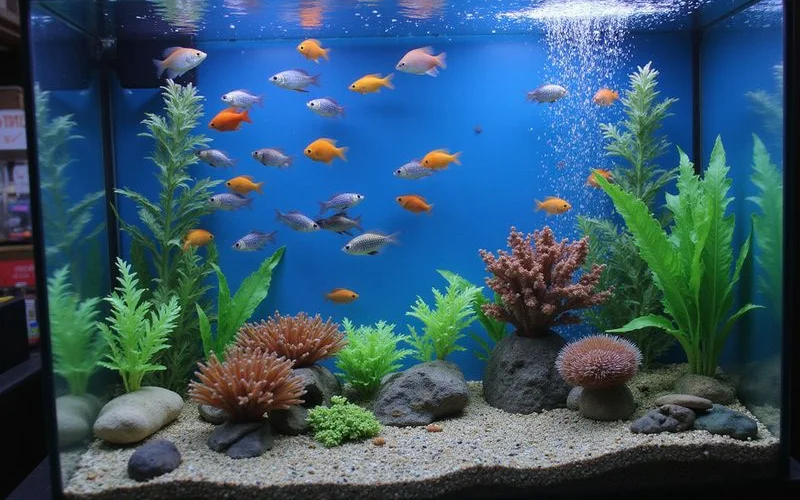
Your journey to a beautiful aquarium starts with the best beginner freshwater fish and accurate advice. Stopping by a dedicated local shop gives you access to quarantined livestock and verified knowledge.
We invite you to view our selection of hardy tropical fish in person. A well-planned setup provides years of enjoyment and relaxation, so call our team or visit the store today to get started.
2847 Bee Ridge Road, Sarasota FL 34239 · (941) 555-0178 · Open Mon-Sat 10-6, Sun 12-5.
Frequently asked questions
Are bettas really beginner fish? ▼
Yes — but they need a heated 5+ gallon tank, not a bowl. We'll set you up right.
Can I keep goldfish with tropical fish? ▼
No — goldfish are coldwater and high-bioload. They belong in their own setup (or a pond).
How many fish should I start with? ▼
Start with one small school (6 of one species) and add over weeks, testing water between additions.
Ready for the next step?
Browse our Freshwater Fish selection in store or ask us in person at Bee Ridge Road.
View Freshwater Fish